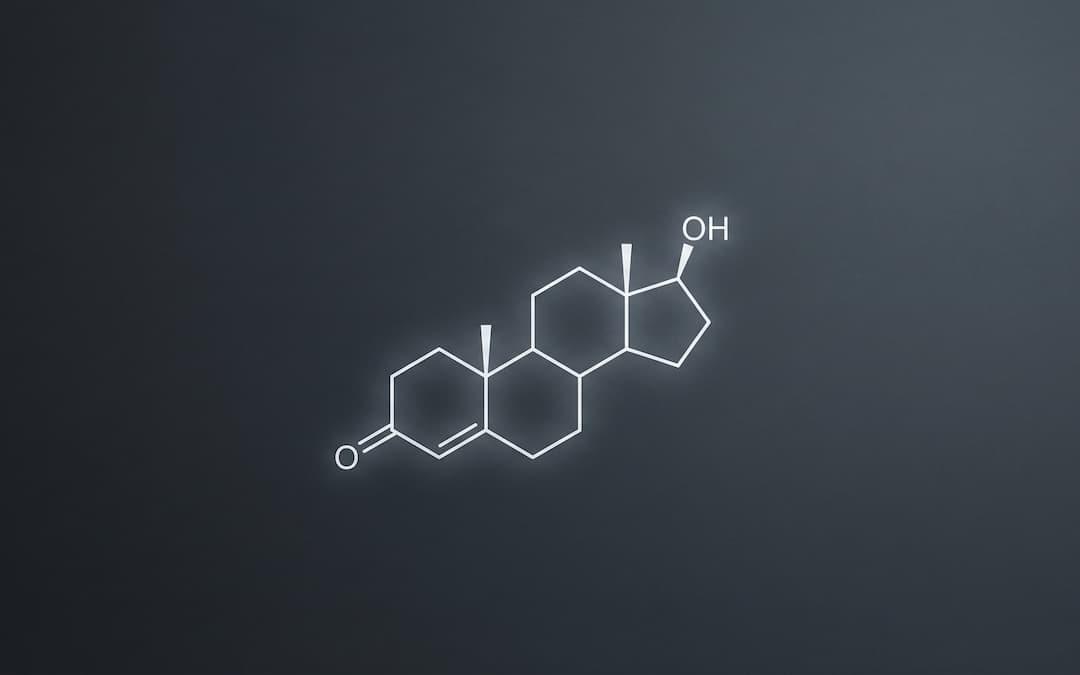
What is Low T?
What is Low T? Your Complete Guide to Low Testosterone
Do you feel like something's off?
Maybe your sex drive isn't what it used to be, maybe your energy is low, your mood feels off, or you're gaining weight despite no major lifestyle changes.
For many men, these symptoms are linked to low testosterone.
Low testosterone—often called testosterone deficiency syndrome—is common and frequently overlooked. Research estimates that about 1 in 4 men over age 40 have testosterone levels low enough to affect their daily health and quality of life.
The good news? Low testosterone is measurable, treatable, and manageable.
Understanding what's happening in your body is the first step toward feeling better. This article explains what Low T is, what causes it, and how you can treat it.
Want to ask a professional? Ask us about testosterone replacement therapy today.
What is testosterone?
Testosterone is a hormone that acts like a control signal for many of the systems that keep men feeling healthy and functioning well.
It's made mostly in the testicles and released into the bloodstream, where it helps regulate how your body uses energy, builds muscle, stores fat, and responds to sexual stimulation. Smaller amounts are also produced by the adrenal glands.
Rather than affecting just one part of the body, testosterone works across many systems. It helps maintain sex drive, supports erections, keeps muscles strong, helps bones stay dense, and plays a role in mood, focus, and motivation.
When testosterone levels are healthy, these systems tend to work smoothly. When levels drop, the effect can be significant.
What is low testosterone?
Low testosterone—also known as hypogonadism or testosterone deficiency (TD) or even just as Low T—refers to testosterone levels below the expected range.
There isn't a single number that defines low testosterone for everyone. Some men are told their levels look "normal", but still feel the effects of low T. What matters is how your testosterone level lines up with your symptoms.
When testosterone levels fall too low for your body's needs, systems that rely on it begin to slow down. Research indicates that low testosterone in men can impact energy, sex drive, muscle strength, fat distribution, mood, and mental clarity.
Low T can develop gradually, which is why you might notice it right away. Symptoms are often mistaken for stress, aging, burnout, or lifestyle issues; identifying low testosterone starts with recognizing the symptoms and then confirming levels through proper blood testing.
Common symptoms of low testosterone
Low testosterone doesn't look the same for everyone. Some men experience obvious symptoms, while others describe a vague sense of decline.
The following are the most common symptoms of testosterone deficiency syndrome.
Reduced sex drive
A reduced sex drive is one of the most common—and often most frustrating—symptoms of low testosterone. Many men notice that they don't think about sex as often as they used to, or that sexual interest feels weaker.
Testosterone plays a central role in sexual desire. It affects how often you feel interested in sex, how strongly your body responds, and how easily arousal happens. When testosterone levels are healthy, sexual interest usually feels natural and automatic. When levels drop, that drive can fade, making sex feel less exciting or less important.
For many men, a lower sex drive is the symptom that causes the most concern—and ultimately why they book a visit with a clinic. The good news is that sex drive is often one of the first things to improve once testosterone levels are addressed.
Get your testosterone level checked—start an online visit.
Low energy and fatigue
Low energy is another common sign of low testosterone. Many men describe feeling tired most of the day, even after a full night's sleep. You might feel run down, unmotivated, or like it takes more effort than it used to just to get through your day.
Testosterone plays an important role in energy and drive. It helps your body feel alert and ready to be active. Testosterone levels naturally rise in the morning, which helps you wake up feeling refreshed. When levels are low, that natural boost may be weaker, making it harder to get out of bed or stay energized throughout the day.
Men with low testosterone often notice they rely more on caffeine, naps, or rest, but still don't feel fully recharged. Physical tasks, workouts, or mental focus may feel more exhausting than before. Over time, this constant low energy can affect work, exercise, and overall quality of life.
Loss of muscle mass and strength
Testosterone plays a key role in building and maintaining muscle.
When testosterone levels are low, muscle mass and strength can slowly decline—even if your weight stays the same. Many men notice they're getting weaker, losing muscle tone, or having a harder time maintaining strength. Workouts may feel less effective, and it can take longer to recover after exercise. Some men lose muscle despite training regularly.
Low testosterone also makes it harder for the body to rebuild muscle. This means you may lose muscle faster than you can replace it, creating a cycle where strength continues to drop over time.
Increased body fat
Low testosterone is often linked to an increase in body fat, even when diet and activity levels haven't changed.
Testosterone helps regulate how your body builds muscle and burns calories. When levels are low, metabolism can slow down, making it easier to store fat and harder to lose it. Many men with low T notice weight gain that feels harder to control or explain. For example, in one study, men with very low testosterone over 12 months had a 22% increase in visceral fat.
Fat gain related to low testosterone often shows up around the midsection. This type of abdominal fat is not just a cosmetic concern; it's linked to higher risks of heart disease, diabetes, and chronic inflammation.
As body fat increases, testosterone levels can drop even further. Fat tissue converts testosterone into estrogen, which can worsen hormone imbalance and create a cycle that's difficult to break without support.
Erectile dysfunction
Erectile dysfunction (ED) is another symptom that can be linked to low testosterone. Testosterone helps trigger the release of nitric oxide, a chemical that allows blood vessels in the penis to relax and fill with blood. When testosterone levels are low, this process may not work as well, making erections harder to achieve or maintain.
Learn more: A Canadian's Guide to Understanding Erectile Dysfunction
Some men with low testosterone notice fewer spontaneous erections, such as those that happen during sleep or in the morning. This can be an important clue that hormones may be involved.
Heads up: ED has many possible causes. Stress, anxiety, blood flow issues, and other health conditions can all play a role. Not every man with low testosterone has ED, and not all ED is caused by low testosterone.
Learn more: What Is the Best ED Medication—Viagra vs. Cialis vs. Cialis Daily?
Mood changes
Low testosterone can affect mood just as much as it affects the body.
Testosterone plays a role in confidence, motivation, and emotional balance. When levels are healthy, many men feel steadier, more focused, and resilient. When levels drop, it can become harder to manage stress or feel grounded.
Some men describe feeling more easily frustrated, less patient, or more negative than before. Others feel flat, unmotivated, or disconnected. For example, one study found that young men with low testosterone were more likely to experience depression, anxiety, and sexual difficulties, and overall felt less satisfied with their quality of life.
Cognitive changes
Low testosterone can also affect how your brain works.
Men with low T report problems with focus, memory, or mental clarity—often described as "brain fog." You may find it harder to concentrate, stay organized, or think as clearly as you used to. Tasks that once felt simple may take more effort, and mental fatigue can set in more quickly.
Testosterone plays a role in brain function, including memory and processing speed. When levels are low, these systems may not work as efficiently, especially over time. For example, one study found low testosterone levels linked to cognitive decline in older men.
Because cognitive changes often develop gradually, they're easy to overlook or blame on stress, aging, or lack of sleep. But when brain fog shows up alongside other symptoms like low energy, mood changes, or reduced sex drive, hormones may be contributing.
Less common symptoms
In more severe cases, symptoms of low testosterone may also include:
- Reduced body hair
- Testicular shrinkage
- Breast tissue enlargement
- Sleep disturbances
- Anemia
- Bone density loss
- Reduced fertility
What causes low testosterone?
Testosterone levels naturally decline with age, but aging isn't the only cause. Low testosterone is often classified by where the disruption occurs:
Primary hypogonadism
Primary hypogonadism occurs when the testes are unable to produce enough testosterone, even though the brain is sending the correct signals. This can happen due to:
- Injury or trauma to the testes
- Infections or medical conditions
- Genetic conditions
- Damage from chemotherapy or radiation
In these cases, the problem starts at the source of testosterone production.
Secondary hypogonadism
Secondary hypogonadism occurs when the pituitary gland does not send strong enough signals to the testes to produce testosterone.
The pituitary gland acts as a messenger between the brain and the testes. If it isn't working properly, testosterone levels can drop even if the testes themselves are healthy. Possible causes include:
- Head injuries or tumors affecting the pituitary
- Chronic illness or inflammation
- Medications
- Long-term use of anabolic steroids
Tertiary hypogonadism
Tertiary hypogonadism occurs when the hypothalamus—the part of the brain that controls the pituitary—fails to regulate the hormone system properly.
The hypothalamus helps start the entire hormone signaling process. When it isn't functioning as it should, testosterone production can slow down. This may be linked to:
- Severe stress or chronic illness
- Significant weight changes or obesity
- Poor sleep or sleep disorders
- Long-term nutritional deficiencies
Other factors that can contribute to low testosterone
Along with these different types of testosterone deficiency, low testosterone can also be influenced by a range of hormonal, lifestyle, and medical factors. In many cases, more than one factor is involved, which is why low T doesn't always have a single clear cause. Common contributors include the following:
Hormonal factors
- High cortisol (stress hormone): Chronic stress can interfere with testosterone production.
- High estrogen: Excess body fat can convert testosterone into estrogen, lowering available testosterone.
- Low zinc: Zinc is essential for healthy testosterone production.
- Low vitamin D: Vitamin D plays a role in hormone regulation and overall health.
Lifestyle factors
- Poor sleep: Inadequate or low-quality sleep can significantly lower testosterone levels.
- Obesity: Excess body fat disrupts hormone balance and lowers testosterone.
- Sedentary lifestyle: Lack of physical activity can reduce natural testosterone production.
- Chronic stress: Ongoing stress raises cortisol, which suppresses testosterone.
- Smoking: Tobacco use can disrupt normal hormone regulation.
- Drug or substance use: Certain substances can interfere with hormone signaling.
- Low-nutrient diet: Poor nutrition limits the body's ability to produce hormones.
Medical conditions
- Diabetes: Blood sugar imbalance can affect hormone production.
- Heart disease: Cardiovascular health is closely tied to hormone health.
- High blood pressure: Often linked with metabolic and hormonal issues.
- Kidney disease: The kidneys play a role in hormone balance and overall metabolism.
How is low testosterone diagnosed?
Low testosterone is diagnosed with a blood test measuring total and free testosterone levels. Testing is typically done in the morning, when testosterone levels are naturally highest.
Bloodwork often includes additional markers to help identify contributing causes, such as cholesterol, hormones, and metabolic indicators.
Get checked: Start your online visit for low testosterone
Treatment options for low testosterone
Treatment depends on the underlying cause and severity of symptoms.
Lifestyle-based approaches
For many men, addressing contributing factors can improve testosterone levels:
- Optimizing sleep
- Improving nutrition
- Strength training and interval exercise
- Weight management
- Stress reduction
- Correcting nutrient deficiencies
Testosterone replacement therapy options
If symptoms persist or testosterone levels remain low, testosterone replacement therapy (TRT) may be considered. TRT can be delivered through injections, topical gels, patches, or implants.
The testosterone replacement therapy treatments we offer at Essential Clinic are:
- Testosterone cypionate (injection): An injectable form of testosterone used in TRT that directly raises blood testosterone levels, typically given weekly or biweekly. It is effective and cost-efficient, but suppresses the body's natural testosterone production and can reduce fertility.
- Testosterone gel (topical): A daily, skin-applied testosterone therapy that delivers testosterone steadily through absorption. It avoids injections but has variable absorption and carries a risk of transferring testosterone to others through skin contact.
- Enclomiphene (oral): A daily pill that tells your brain to produce more testosterone naturally by blocking estrogen signals. It maintains fertility and natural hormone production, making it a good option for younger men or those planning to have kids, though testosterone increases may be more modest than with direct TRT.
- Anastrozole 1 mg (oral): An aromatase inhibitor that reduces the conversion of testosterone into estrogen, sometimes used alongside TRT to manage elevated estrogen levels. It does not replace testosterone and requires careful dosing to avoid excessive estrogen suppression.
- Human chorionic gonadotropin (HCG injection): A hormone injection that stimulates the testes to produce testosterone by mimicking luteinizing hormone. It is often used to preserve fertility or testicular function, either alone or in combination with TRT.
Get Your Testosterone Levels Tested
Low testosterone is common—don't ignore the signs.
If you're experiencing symptoms, testing can provide clarity. With proper evaluation and individualized care, most men can significantly improve how they feel.
Start your online visit and find out if you are experiencing low T.
References
Aydogan, U., Aydogdu, A., Akbulut, H., Sonmez, A., Yuksel, S., Basaran, Y., ... & Saglam, K. (2012). Increased frequency of anxiety, depression, quality of life and sexual life in young hypogonadotropic hypogonadal males and impacts of testosterone replacement therapy on these conditions. Endocrine Journal, 59(12), 1099-1105.
Barbonetti, A., D'Andrea, S., & Francavilla, S. (2020). Testosterone replacement therapy. Andrology, 8(6), 1551-1566.
Grober, E. D. et al. (2021). Canadian Urological Association guideline on testosterone deficiency in men: Evidence-based Q&A. CUAJ, 15(5), E235.
Hackett, G., Kirby, M., Rees, R. W., Jones, T. H., Muneer, A., Livingston, M., ... & Ramachandran, S. (2023). The British Society for Sexual Medicine guidelines on male adult testosterone deficiency, with statements for practice. The World Journal of Men's Health, 41(3), 508.
Hamilton, E. J., Gianatti, E., Strauss, B. J., Wentworth, J., Lim‐Joon, D., Bolton, D., ... & Grossmann, M. (2011). Increase in visceral and subcutaneous abdominal fat in men with prostate cancer treated with androgen deprivation therapy. Clinical Endocrinology, 74(3), 377-383.
Ma, H., Sun, J., Wu, X., Mao, J., & Han, Q. (2024). Percent body fat was negatively correlated with Testosterone levels in male. PLoS One, 19(1), e0294567.
Rojas-Zambrano, J. G., Rojas-Zambrano, A. R., Rojas-Zambrano, A. F., Barahona-Cueva, G. E., Rojas-Zambrano, A., & Rojas-Zambrano Sr, A. F. (2025). Benefits of Testosterone Hormone in the Human Body: A Systematic Review. Cureus, 17(2).
Traish, A. M., Miner, M. M., Morgentaler, A., & Zitzmann, M. (2011). Testosterone deficiency. The American Journal of Medicine, 124(7), 578-587.
Zito, S., Nosari, G., Pigoni, A., Moltrasio, C., & Delvecchio, G. (2023). Association between testosterone levels and mood disorders: A minireview. Journal of Affective Disorders, 330, 48-56.
This article is for informational purposes only and does not constitute medical advice. The information contained herein is not a substitute for and should never be relied upon for professional medical advice. Always talk to your doctor about the risks and benefits of any treatment.